Before imagining any device, I researched in depth how we consume digital entertainment today: how much streaming, music, video games and social media generate; which technologies are growing (virtual reality, augmented reality, generative AI, IoT and holograms), and which devices already exist to experience them, such as Meta Quest 3, Apple Vision Pro or Looking Glass. I added surveys and interviews with real users to understand what they look for when consuming content, and the same answer came up again and again: immersion, feeling part of what they watch or play. In psychology, that has a name: the Flow state.
On that basis I imagined a device that would take immersion to the extreme: Sony Flow Lens, extended reality contact lenses with an AI assistant that generates personalized content and, with a couple of blinks, help users reach the Flow state. It is not a real product and cannot be bought. It is a Design Fiction exercise, a discipline that uses fictional but believable objects, known as “diegetic prototypes”, to tell a story about the future and spark a real debate about its consequences.
The challenge
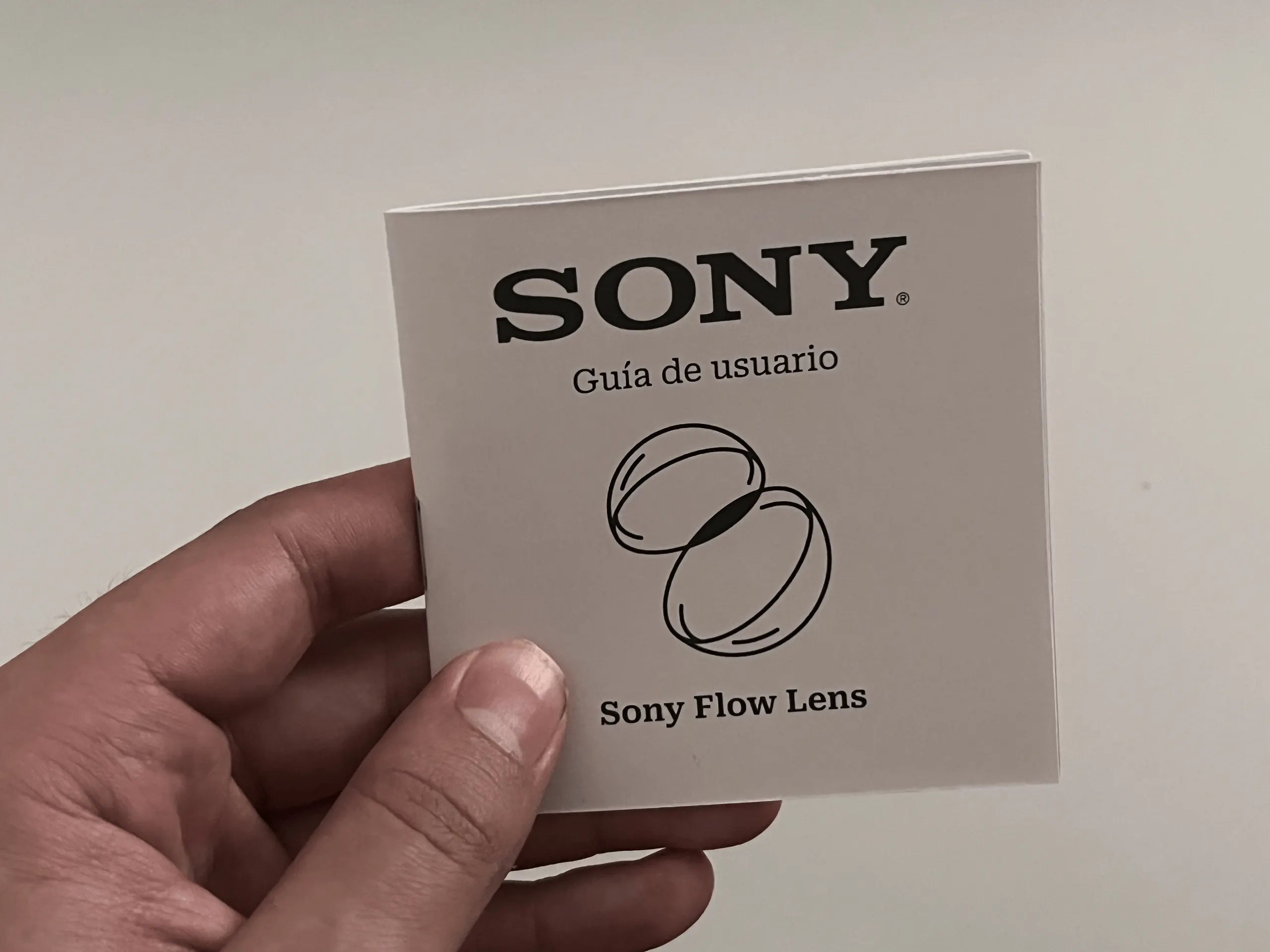
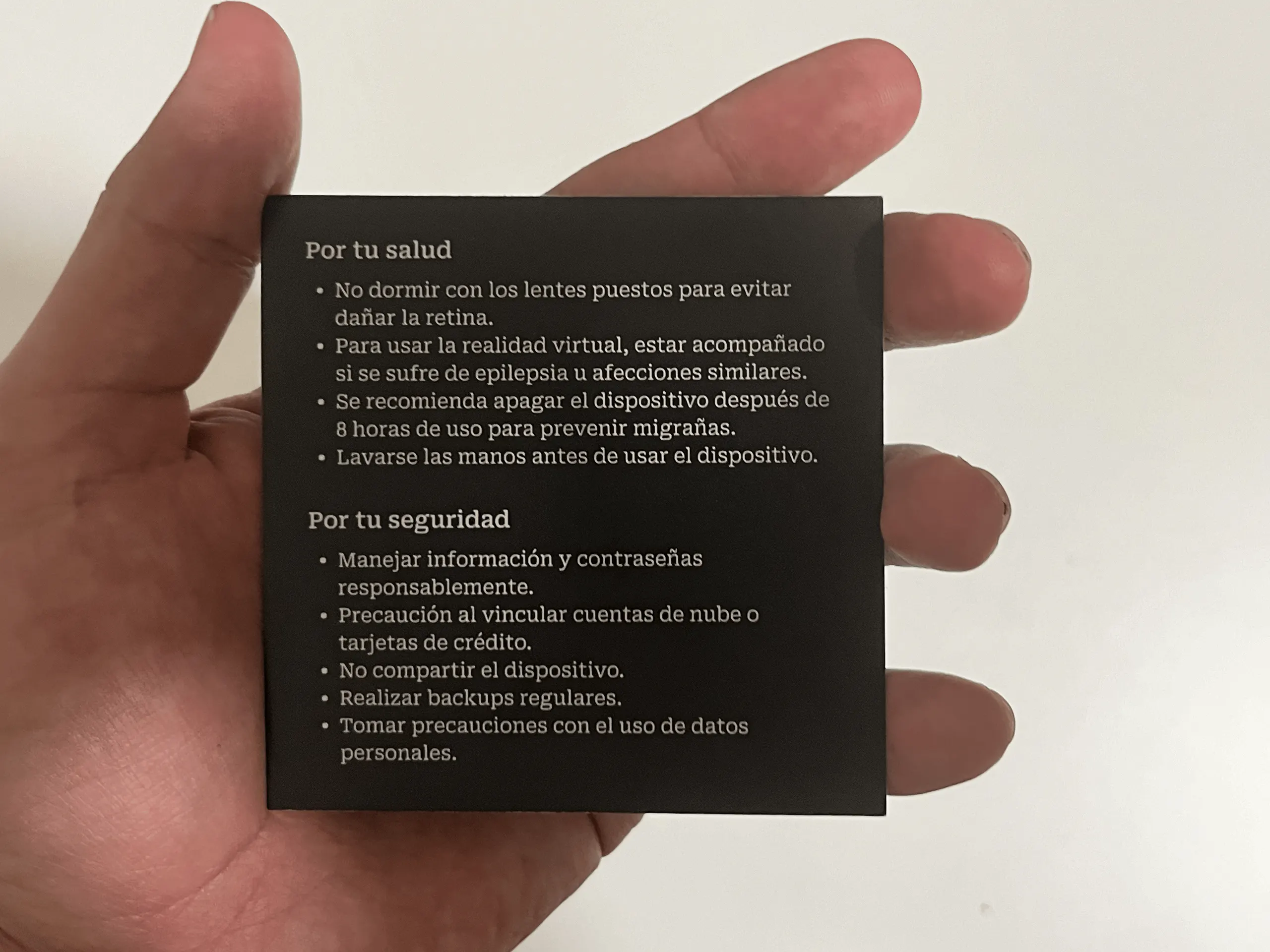
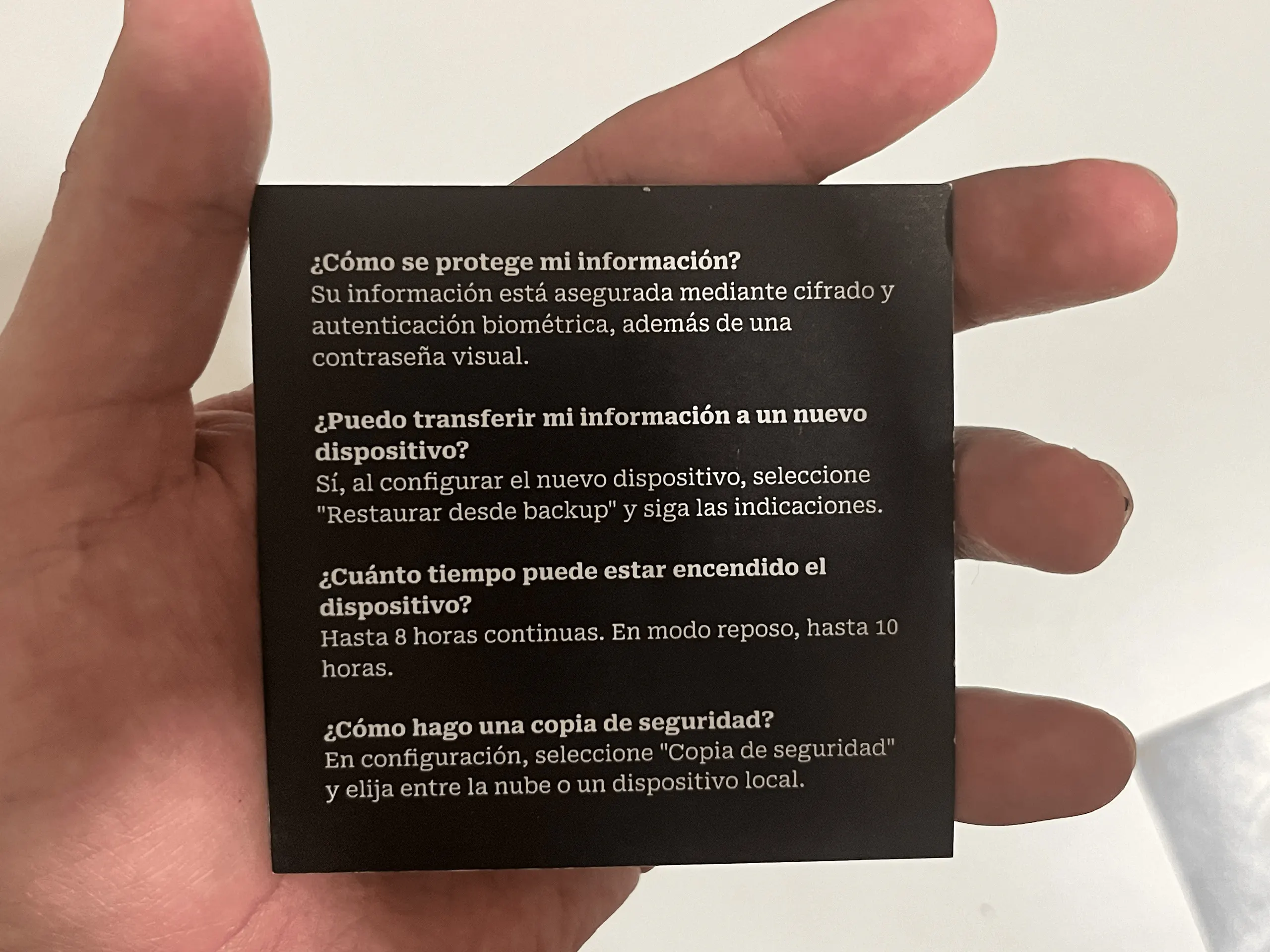
The challenge was not to design an interface, but to create an object so believable that people would react as if it existed. I designed in Figma a 28-page user manual, a warnings and precautions card and an FAQ card, and I recorded 3 real video reviews (unboxing, initial setup and user experience) that I published on my own YouTube channel, as if the product were already on the market.
The content of those pieces came from a co-creation workshop with 5 people from the tech field, where we used techniques such as Brainwriting and Role Storming to think about the device from different user profiles (technical, casual, beginner and expert). I then shared everything with interviewees and asked for their honest opinion: would they use it? Would it replace their current devices? The answers were exactly what Design Fiction aims for, from “I would definitely try it” to “I wouldn’t feel comfortable with something so close to my eye”, and they opened a real conversation about immersion, health, addiction and privacy, long before the technology to build it exists.
User manual
Warnings & Precau.
FAQ card
YouTube Reviews
Its 28 pages explain step by step how to put on and remove the lenses, the initial setup, the available services and apps, account syncing and device care. I designed it in Figma as if it were the real manual of a Sony product.
It gathers the health, safety and maintenance guidelines that came out of the co-creation workshop with technical, casual and expert profiles, designed to feel as real as the one included with any electronic device.
It answers the most common questions of a new user, organized by health, safety and care, following the same approach as the warnings card, but in an FAQ format.
3 real videos (unboxing, initial setup and user experience), recorded, edited and published on my own YouTube channel as if the product were already on the market. They were the key piece to spark a real debate with the audience.
Real debate
5 of 6
Of the 6 people interviewed, 5 watched the video reviews and shared their honest opinion about the device.
Replacing screens
3 of 5
Believe these lenses could replace devices they use today, such as the TV or everyday screens.
Support for its creation
3 of 5
Would make it a reality if they had the resources and the technology were available.
Key concerns
2 of 5
Would use them daily. The rest pointed to eye health, putting the lenses on and distraction from daily life as their main concerns: exactly the debate the project aimed for.